

As a supplier of Non - Reinforced TPO Membrane, I often get asked about its resistance to plant roots. It's a crucial question, especially for those looking to use this membrane in green roof applications or areas where vegetation is present. In this blog, I'll dive deep into the topic and share what I've learned over the years.
What is Non - Reinforced TPO Membrane?
First off, let's quickly go over what Non - Reinforced TPO Membrane is. TPO stands for thermoplastic polyolefin, which is a type of synthetic rubber. Non - reinforced means it doesn't have an additional layer of reinforcement like some other membranes. This type of membrane is known for its flexibility, durability, and resistance to UV rays and chemicals. It's also relatively lightweight, making it easy to install.
Why is Root Resistance Important?
When it comes to using a membrane in areas with plants, root resistance is a big deal. Plant roots can be quite aggressive. They'll grow in search of water and nutrients, and if they can penetrate a membrane, it can lead to leaks and damage over time. This is where the root resistance of Non - Reinforced TPO Membrane comes into play.
How Does Non - Reinforced TPO Membrane Resist Plant Roots?
The resistance of Non - Reinforced TPO Membrane to plant roots is due to a few factors. Firstly, the material itself has a smooth and dense surface. This makes it difficult for roots to penetrate. Unlike some porous materials, the TPO membrane doesn't give roots a place to grip and start growing through.
Secondly, the chemical composition of TPO is not appealing to plant roots. Roots are constantly seeking out substances that are beneficial to them, such as water and nutrients. The TPO membrane doesn't provide these, so roots are less likely to try and break through it.
Testing the Root Resistance
There are several tests that can be done to measure the root resistance of Non - Reinforced TPO Membrane. One common test is the FLL (Forschungsgesellschaft Landschaftsentwicklung Landschaftsbau) test. This test involves placing the membrane in a container with soil and plants. The plants are then allowed to grow for a certain period, usually several months. After that, the membrane is examined to see if any roots have penetrated it.
In my experience, Non - Reinforced TPO Membrane typically performs well in these tests. It shows a high level of resistance to root penetration, which is great news for those using it in green roof projects or other areas with vegetation.
Applications of Non - Reinforced TPO Membrane with Root Resistance
One of the most common applications of Non - Reinforced TPO Membrane with root resistance is in green roofs. Green roofs are becoming increasingly popular, as they offer many benefits such as energy savings, improved air quality, and reduced stormwater runoff. The root - resistant TPO membrane helps protect the roof structure from damage caused by plant roots.
Another application is in landscape areas where a waterproof barrier is needed. For example, in a garden or park, the membrane can be used to line ponds or other water features. The root resistance ensures that the membrane won't be damaged by the roots of nearby plants.
Comparing with Other Membranes
When it comes to root resistance, Non - Reinforced TPO Membrane holds its own against other types of membranes. For example, compared to some bituminous membranes, TPO is more flexible and has better root - resistant properties. Bituminous membranes can be brittle and may crack over time, which can allow roots to penetrate.
On the other hand, some reinforced membranes may have better puncture resistance, but they can also be more expensive and difficult to install. Non - Reinforced TPO Membrane offers a good balance between cost, ease of installation, and root resistance.
Our Product Offerings
We offer a range of Non - Reinforced TPO Membrane products. For example, our 80 Mil TPO Membrane is a popular choice. It has a thickness of 80 mils, which provides extra durability and root resistance.
We also have the 1.2mm TPO Waterproof Membrane. This membrane is suitable for a variety of applications and offers excellent root - resistant properties.
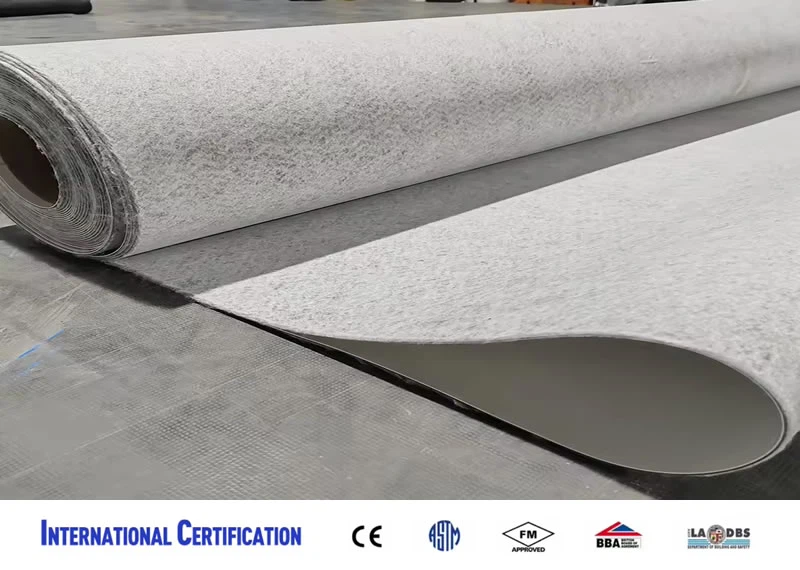
And for those who need a membrane with a bit more grip, we have the Fleece Backed TPO Membrane. The fleece backing helps with adhesion and also provides an extra layer of protection against root penetration.
Conclusion
In conclusion, Non - Reinforced TPO Membrane has a high level of resistance to plant roots. Its smooth surface, chemical composition, and performance in tests make it a great choice for applications where root protection is needed. Whether you're working on a green roof project or a landscape area, our Non - Reinforced TPO Membrane products can provide the protection you need.
If you're interested in learning more about our Non - Reinforced TPO Membrane or have any questions about its root - resistant properties, feel free to reach out. We're here to help you make the right choice for your project.

References
- FLL Guidelines for Green Roofing
- Technical reports on TPO membrane performance in root - resistance tests